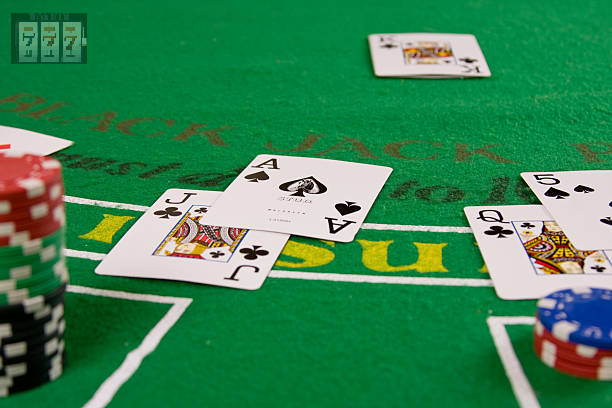
Exploring the psychology behind casino games Why we play and lose
The Allure of Casino Games
Casino games have an undeniable appeal that draws millions of players worldwide. This attraction can be attributed to a complex blend of psychological factors, such as the thrill of risk-taking and the lure of potential rewards. The excitement generated by the prospect of winning can trigger the brain’s reward system, releasing dopamine and creating a sense of euphoria. This chemical response reinforces the urge to play, leading individuals to return for more, even when faced with losses. Many players find useful resources, such as a list of sweepstakes casinos, which can guide them in making informed choices.
Furthermore, the ambiance of casinos—often characterized by bright lights, sounds of ringing coins, and the buzz of excitement—exacerbates this psychological grip. The environment is intentionally designed to keep players engaged, promoting a sense of urgency and anticipation that can often override rational decision-making. This phenomenon illustrates how environment and psychology intertwine to shape gambling behaviors.
One critical aspect of gambling psychology is the concept of «near misses.» These are moments when a player comes close to winning but ultimately falls short. Near misses can be particularly potent in maintaining interest and participation in casino games. Research indicates that they can evoke similar feelings to actual wins, encouraging players to continue betting in hopes of achieving the elusive victory.
This leads to a cycle where players repeatedly engage with the games, often overlooking the reality of their overall losses. The brain interprets these near wins as signs of skill or potential future success, which can dangerously fuel gambling addiction. Understanding this psychological mechanism is crucial for both players and those who wish to protect against the pitfalls of gambling.
Casino game designers meticulously craft games to maximize engagement and prolong playtime. Features such as variable rewards, visual and auditory stimuli, and social interactions are strategically implemented to captivate players’ attention. These elements not only enhance the entertainment value but also deepen the psychological involvement with the game.
Moreover, the concept of «losses disguised as wins» is prevalent in many games. This means that players are often given rewards—even small ones—after a loss, which can mislead them into feeling victorious. Such tactics can perpetuate play and result in players gambling more than they initially intended. Understanding how these designs manipulate psychological responses is essential for recognizing the broader implications of casino game mechanics.
The social context of gambling cannot be overlooked. Many players are drawn to casino games not just for the thrill of winning but also for the camaraderie experienced with fellow gamblers. Shared experiences, whether in-person at a casino or online, create a sense of community that enhances the enjoyment of gameplay and encourages repeated visits.
Additionally, social validation plays a significant role in gambling behavior. Players often share their wins and losses with friends and family, seeking recognition and support. This social aspect can further entrench players in their habits, as they may feel compelled to maintain their status within their social circle, potentially leading to increased gambling activity.
Understanding the psychology behind casino games is essential for enjoying them responsibly. At our website, we provide insights and resources aimed at helping players navigate the world of gambling while being aware of the psychological influences at play. Our curated list of top sweepstakes casinos allows users to engage in gaming entertainment without the direct financial risks associated with traditional gambling. Whether you are a casual player or someone seeking excitement in a prize-driven environment, our platform offers valuable comparisons to ensure you find the gaming experience that best suits your style. Prioritizing informed decision-making and responsible gaming practices can enhance your experience and mitigate the chances of negative outcomes associated with gambling.