The historical journey of gambling how it transformed societies over centuries
The historical journey of gambling how it transformed societies over centuries
The Origins of Gambling
The practice of gambling can be traced back thousands of years, with evidence found in ancient civilizations such as Mesopotamia and China. Archaeological discoveries reveal that dice made from bones were used for games of chance around 3000 BC. These early forms of gambling were intertwined with cultural and religious practices, often reflecting the values and beliefs of the societies that engaged in them. As more people explored various options, they came across crypto gambling sites that offered new experiences and challenges.

As societies evolved, so did the complexity of gambling. In Ancient Rome, for instance, games of chance became popular among the masses and were often associated with public celebrations. These activities were not merely for entertainment; they played significant roles in social cohesion and the economic fabric of the time.
Gambling in the Middle Ages
During the Middle Ages, gambling faced scrutiny and regulation from various authorities. Despite efforts to curb the practice, it thrived in underground venues and among nobility. The Church often condemned gambling, viewing it as morally questionable, yet people continued to partake, leading to the establishment of various gambling houses across Europe.
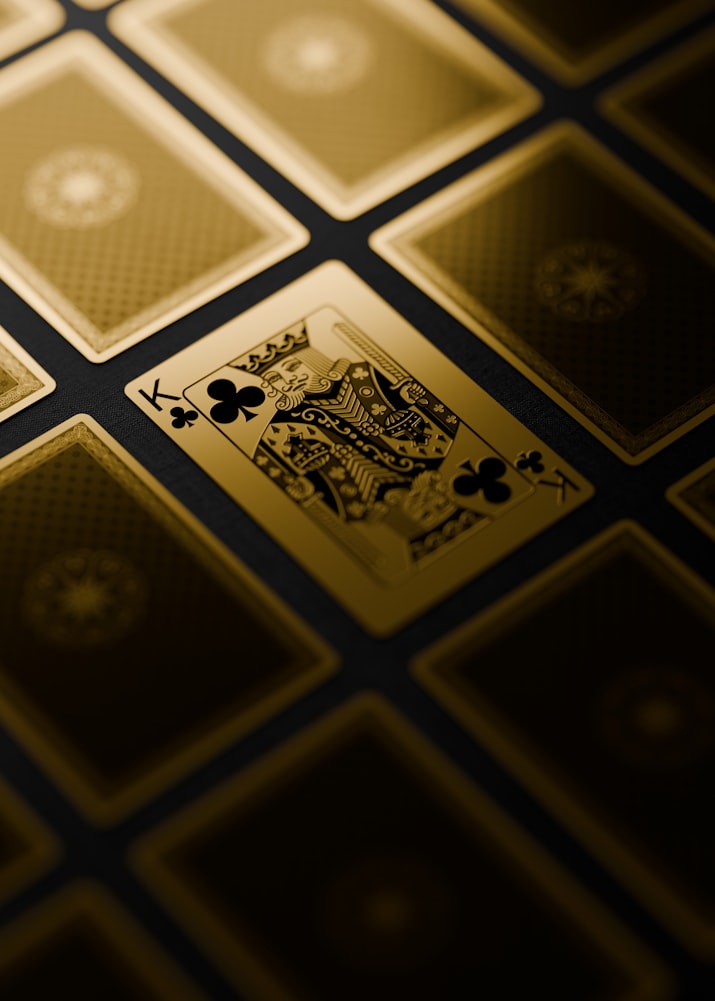
The introduction of card games in the late Middle Ages further revolutionized gambling. These games became a staple among the elite, paving the way for the development of more structured forms of gambling. This period highlighted the duality of gambling as both a vice and a form of entertainment, influencing societal norms and practices.
The Rise of Casinos
The 17th and 18th centuries marked a significant turning point in the history of gambling with the establishment of the first official casinos. Venice’s Casino di Venezia, opened in 1638, is often credited as the world’s first legal gambling house. This transformation allowed gambling to transition from clandestine activities to regulated public enterprises, signifying its acceptance in society.
With the rise of casinos, gambling began to influence architecture and tourism. Cities like Monte Carlo and Las Vegas emerged as gambling capitals, attracting millions of visitors. The luxurious ambiance and entertainment options further embedded gambling into the cultural fabric, reshaping public perceptions of leisure and recreation.
Gambling in Modern Society
The 20th century saw gambling undergo dramatic changes due to technology and globalization. The advent of the internet revolutionized how people gamble, leading to online casinos and sports betting platforms. This accessibility changed the demographics of gamblers, making it easier for people from all walks of life to participate in gambling activities.
Today, gambling is more integrated into mainstream culture than ever, with legal frameworks established in various countries. However, this normalization also raises concerns about addiction and its social consequences, prompting discussions about responsible gambling and regulatory measures to protect vulnerable populations.
Engaging with Colbert News Hub
Colbert News Hub aims to be your trusted source for news and entertainment, providing insights into various topics, including the cultural impact of gambling. Our comprehensive articles delve into historical contexts and modern trends, keeping you informed about how activities like gambling shape societies.
Join us as we explore the intricate tapestry of cultural practices and their evolution through time. Whether you’re seeking analysis, news updates, or engaging content, Colbert News Hub is dedicated to enhancing your understanding of the world around you.