Exploring the evolution of gambling through the ages A historical perspective
Exploring the evolution of gambling through the ages A historical perspective
The Origins of Gambling
Gambling has roots that can be traced back thousands of years. Ancient civilizations, such as the Chinese and Greeks, engaged in various forms of games of chance, using rudimentary tools such as dice and betting slips. The earliest known evidence of gambling dates back to around 2300 BC in China, where players used wooden sticks for games of luck. Many people today enjoy games that remind them of these early practices, especially on real money poker sites.
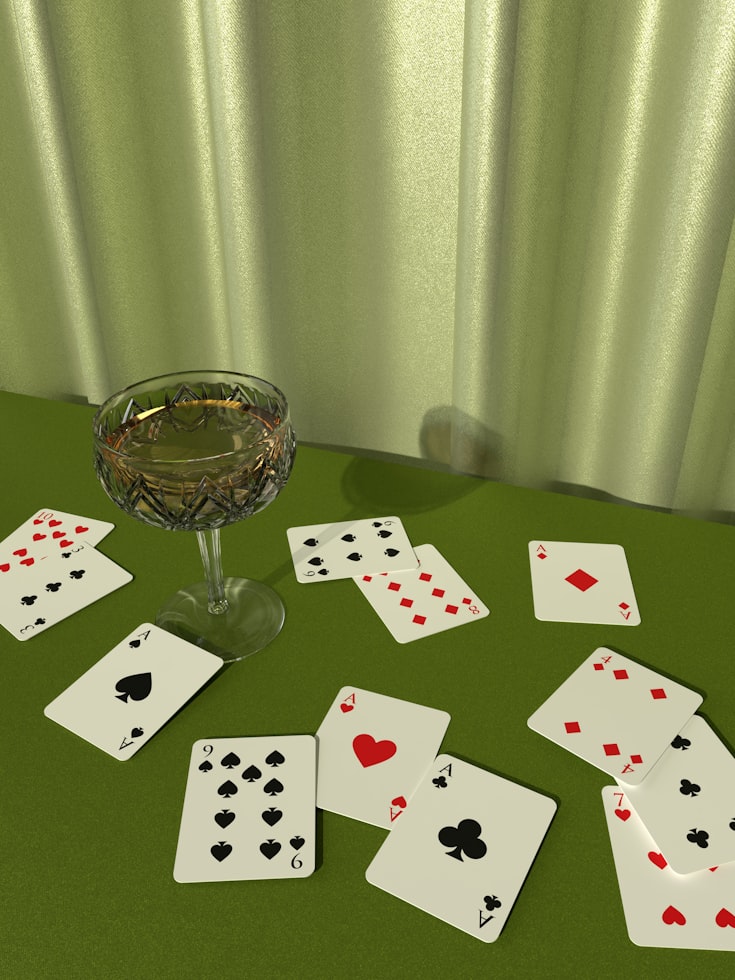
In ancient Rome, gambling was widely accepted among citizens, often associated with various public events and festivals. The Romans played games similar to today’s betting systems, which laid the groundwork for modern gambling practices. The connection between gambling and social interaction can be seen throughout history, showcasing its role in community bonding and entertainment.
The Middle Ages and the Rise of Casinos
During the Middle Ages, gambling was somewhat frowned upon by religious authorities. Despite this, clandestine games thrived, leading to the creation of the first formal gambling houses in the 17th century. These establishments began to emerge in Italy, particularly Venice, where players could enjoy organized games in a structured environment.
As gambling gained acceptance, these houses evolved into what we now recognize as casinos. The term ‘casino’ itself comes from the Italian word for ‘little house,’ reflecting the growing popularity of social gambling venues. This era marked a significant shift in how gambling was perceived, transitioning from a taboo activity to an established form of entertainment.
The Age of Enlightenment and Regulation
The Age of Enlightenment saw a surge in the popularity of gambling across Europe, leading to increased scrutiny and regulation. Governments began to recognize the potential tax revenue from gambling establishments, resulting in formal licensing and regulation systems. France, in particular, established a significant gambling culture, with the famous Casino de Spa in Belgium becoming a model for future establishments.
This period also saw the creation of various games, including roulette and blackjack, which are still popular today. The regulation of gambling helped to ensure fairness and transparency, allowing players to feel more secure when wagering their money. The establishment of rules and oversight marked a crucial step in the evolution of modern gambling practices.
The 20th Century and the Global Expansion of Casinos
The 20th century was a pivotal time for the expansion of gambling worldwide. The legalization of casinos in places like Nevada during the 1930s set off a chain reaction, leading to the establishment of iconic venues in Las Vegas. These casinos began to blend gaming with entertainment, offering lavish shows and amenities that attracted visitors from all over the globe.
This era also saw the rise of online gambling, which transformed how people engage with games of chance. The internet provided a platform for virtual casinos, making gambling accessible to millions worldwide. This digital revolution allowed for the development of new games and betting options, further diversifying the gambling landscape.

Modern Gambling and the Online Revolution
Today, gambling has become a multifaceted industry, with online platforms leading the charge. The rise of mobile apps and websites has made it easier than ever for individuals to place bets, participate in poker games, and play slots from the comfort of their homes. This convenience has attracted a younger demographic, reshaping the traditional casino landscape.
With advancements in technology, including live dealer games and virtual reality experiences, the future of gambling looks promising. The ongoing evolution of gambling practices reflects societal changes and technological advancements, making it a fascinating area of study for historians and enthusiasts alike. The modern era of gambling is not just about chance; it’s an intricate blend of culture, technology, and entertainment.